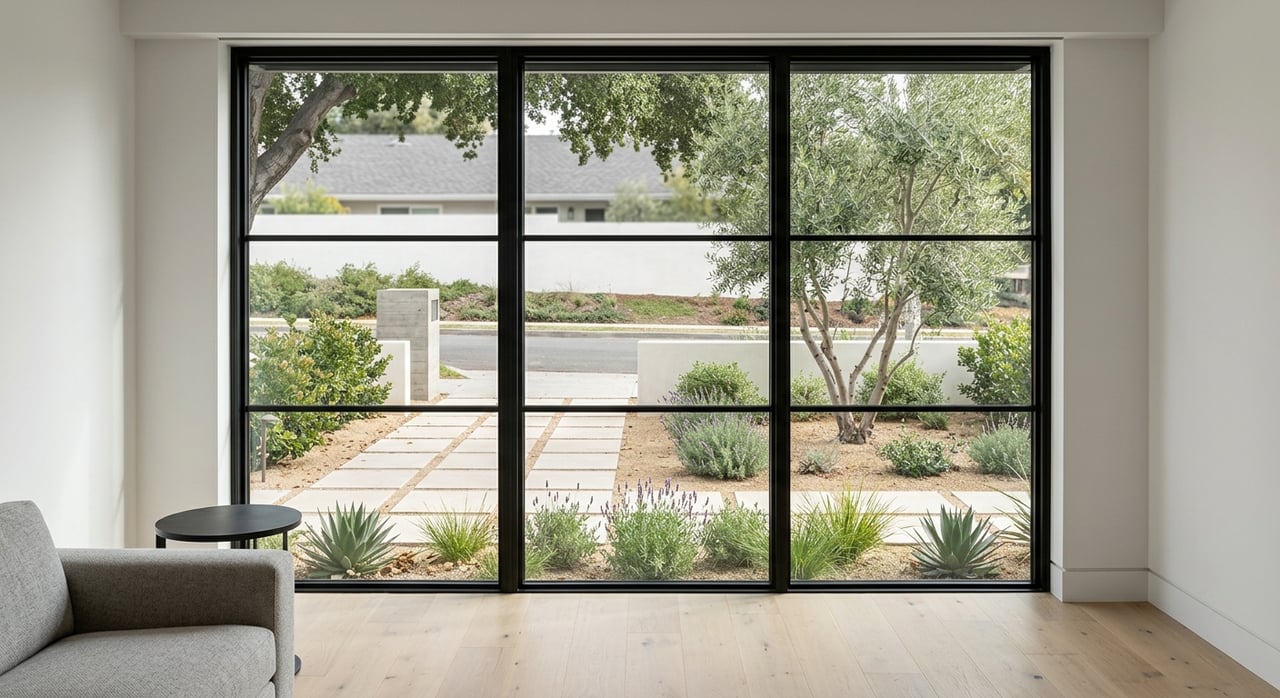
Sunnyvale Neighborhoods and Lifestyle: Which Area Fits?
May 21, 2026
May 21, 2026
Wondering why Sunnyvale can feel like several different cities at once? On one street, you may find quiet residential blocks near parks and community spaces. A short drive, walk, or bike ride away, you can land in a more active district with restaurants, shops, and transit connections. If you are trying to decide where you might feel most at home in Sunnyvale, understanding that contrast can make your search much clearer. Let’s dive in.
Sunnyvale describes itself as both a center of technology and innovation and a city of quiet neighborhoods, strong schools, and a diverse community. That mix is not accidental. The city’s planning framework was built around nine neighborhood planning areas, with attention to schools, commercial services, and parks.
The result is a city that works more like a network of smaller lifestyle zones than one uniform suburb. Higher-density mixed-use development is focused in Village Centers and certain specific plan areas, while established single-family areas are protected. For you as a buyer or homeowner, that means lifestyle can shift noticeably from one part of Sunnyvale to another.
A big part of Sunnyvale’s structure is its Village Center strategy. In 2025, the city adopted the Village Center Master Plan for seven Village Centers. These are intended to serve as neighborhood nodes where you can access retail, services, and food within walking or biking distance from nearby homes.
The city’s General Plan says most residents can expect a Village Center within about one-quarter to one-half mile of home. That matters because it helps explain why Sunnyvale often feels balanced rather than spread out. You may have a quieter residential setting while still being relatively close to errands, casual dining, and local services.
For many buyers, this is the lifestyle in between. You are not choosing only between a busy downtown and a purely residential subdivision. In many parts of Sunnyvale, you can have a bit of both.
If you want the most walkable and active setting in Sunnyvale, downtown is usually the clearest fit. The downtown district covers about 150 acres and includes key areas such as Historic Murphy Avenue, the Downtown Core, Plaza Del Sol, and Redwood Square.
Murphy Avenue is one of the best-known gathering spots in the city. Sunnyvale describes it as a popular dining and entertainment destination, and the city is working to convert the 100 block into a pedestrian-only mall. Downtown also hosts frequent art festivals, concerts, and a year-round farmers’ market.
From a lifestyle point of view, downtown is the place that feels most connected and energetic. It can appeal to buyers who want easier access to restaurants, public gathering spaces, and lower-maintenance housing options. That housing pattern is an inference based on the area’s land use, but it aligns with how the district functions today.
Outside downtown and major mixed-use corridors, much of Sunnyvale has a more established residential feel. These areas are supported by a broad park system, community facilities, and the planning goal of preserving existing single-family neighborhoods.
Sunnyvale lists 772 acres of parks and open space across the city. Neighborhood parks include Columbia Park, De Anza Park, Fair Oaks Park, Fairwood Park, Lakewood Park, Las Palmas Park, Murphy Park, Ortega Park, Ponderosa Park, San Antonio Park, and Seven Seas Park.
For buyers thinking about day-to-day routines, that park network matters. It supports everything from casual evening walks to weekend playtime and outdoor recreation close to home. It also gives many parts of Sunnyvale a more grounded, neighborhood-centered rhythm.
Not every outdoor space in Sunnyvale feels the same. Baylands Park stands out because it adds a more nature-focused option to the city’s overall lifestyle mix. The city says it includes more than 70 acres of developed parkland, 105 acres of seasonal wetlands preserve, and access to the Bay Trail.
If you value open views, trails, and a break from the faster pace of daily work life, this part of Sunnyvale can feel especially appealing. It is a good reminder that the city’s lifestyle is not defined only by housing types or commute patterns. Access to outdoor space can shape how a neighborhood feels just as much.
Sunnyvale’s community facilities also help connect neighborhoods to daily life. The Sunnyvale Community Center campus includes performing and creative arts, indoor sports, a senior center, and a historical museum. The Columbia Neighborhood Center offers recreation, health, education, and social service programs.
These amenities add another layer to how people experience the city. Instead of thinking only in terms of home size or lot size, it can help to think about how often you would use parks, recreation programs, or community spaces nearby. In Sunnyvale, those features are part of what makes many neighborhoods feel active and well-supported.
For some buyers, the right fit is not downtown and not a traditional single-family area. Sunnyvale’s mixed-use and transit-oriented districts can offer a middle ground. These are the areas where the city has directed more intensive redevelopment and a wider range of housing forms.
The Lawrence Station Area Plan is a good example. The city says this plan is intended to create a diverse neighborhood with an active daytime and nighttime environment, multiple housing types, and office and research and development uses.
That kind of setting may appeal to buyers who want a newer, more connected environment with a mix of residential and commercial activity. It can also be useful if you want easier access to transit or major corridors while keeping more of a neighborhood feel than you might expect in a larger urban center.
Peery Park is another area that reflects Sunnyvale’s evolving land use. It covers about 450 acres from State Route 237 to the Caltrain tracks. The city’s current amendment would add office and industrial space and allow some housing.
Mobility is part of the story there too. The city and VTA launched Peery Park Rides, a free weekday on-demand shuttle serving northwest Sunnyvale. For buyers and homeowners, details like this can matter because they show where Sunnyvale is working to improve how people move between jobs, services, and housing.
One of the most important things to know about Sunnyvale is that school assignment is highly specific to the property address. Sunnyvale School District serves about 5,600 students across eight elementary schools and two middle schools. Santa Clara Unified says its service area includes neighborhoods in Sunnyvale, and both Cupertino Union and Fremont Union High School District provide address-based boundary tools.
The practical takeaway is simple. If schools are part of your home search, verify assignment by street address rather than assuming it from the city name alone. In a market like Sunnyvale, that step can save you time and help you narrow your options more accurately.
When buyers say they want to live in Sunnyvale, they are often describing different priorities. Some want walkability, dining, and lower-maintenance living. Others want a more traditional residential setting with parks and community amenities nearby. Still others are looking for a middle-ground option in a mixed-use or transit-oriented area.
A helpful way to think about Sunnyvale is as a ladder of lifestyle choices. Based on the city’s land use framework, downtown and transit-oriented mixed-use areas tend to cluster newer condos, townhomes, and apartment-style living. Established single-family neighborhoods offer a more traditional yard-oriented profile, while redevelopment areas such as Lawrence Station and Peery Park can sit somewhere in between.
That distinction can make your home search more focused. Instead of asking which Sunnyvale neighborhood is best, it is often more useful to ask which daily routine fits you best.
If you are buying in Sunnyvale, understanding the city’s neighborhood structure can help you search smarter. You can narrow your options based on how you want to live, not just by price point or square footage. That is especially useful in a city where the feel can change quickly from one district to the next.
If you are selling, this same understanding can help shape how your home is positioned. A home near downtown may attract buyers looking for walkability and convenience. A home in an established neighborhood may resonate with buyers focused on parks, community facilities, and a more traditional residential setting.
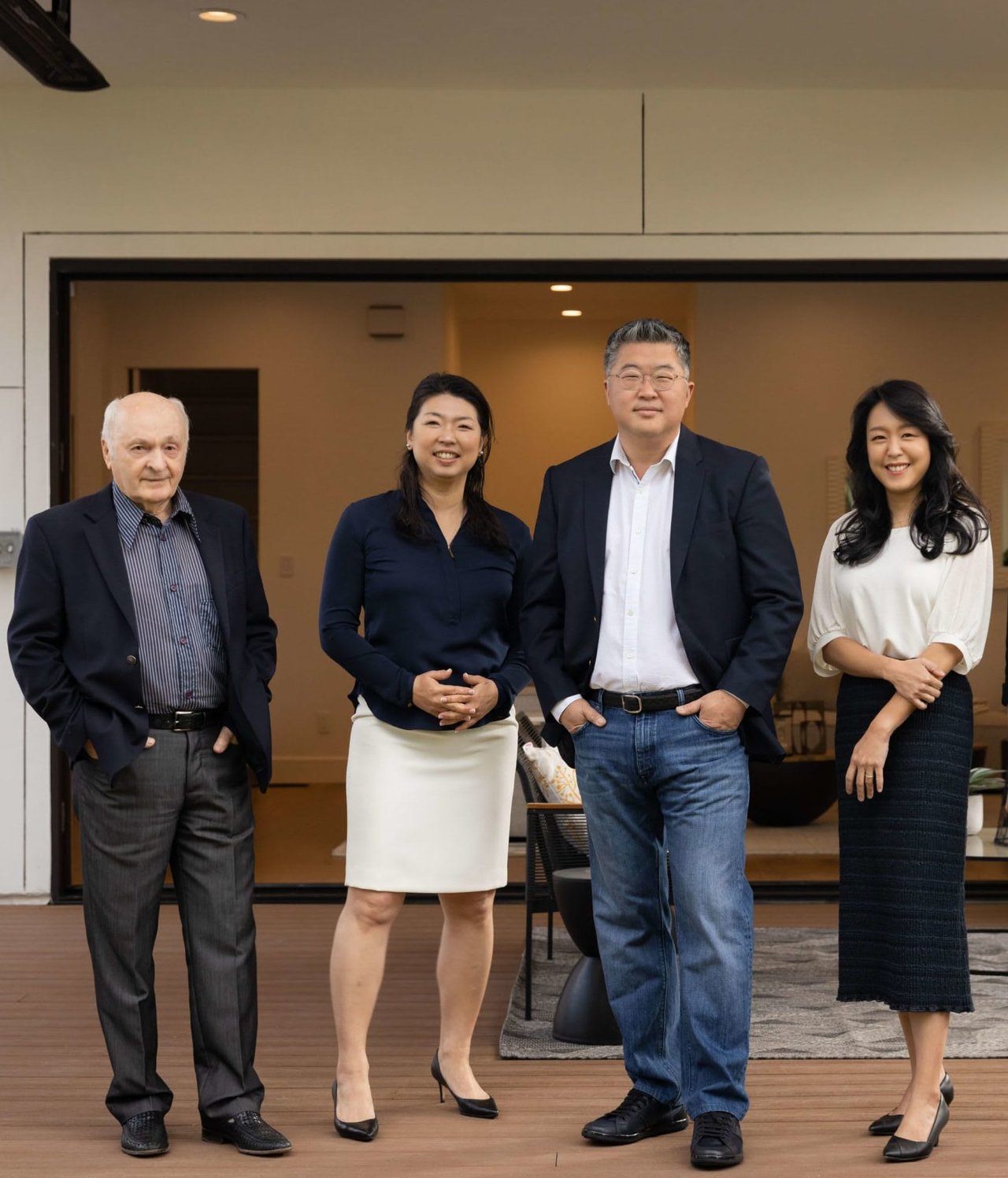
At David Kim Group, we believe strong results start with clear positioning and local context. Whether you are buying a condo, preparing a move-up purchase, or planning a sale, we help you connect the property to the lifestyle buyers are actually searching for. If you are thinking about your next move in Sunnyvale, David Kim Group is ready to help.

Market Update
Partner with our dynamic team to unlock the full potential of your real estate endeavors in Silicon Valley. With our tailored approach and in-depth market knowledge, we'll ensure a seamless and extraordinary client experience.
Connect With Our Team to Learn More
19900 Stevens Creek Blvd, #100 Cupertino, CA 95014 David Kim | CA DRE# 01527235 Keller Williams Thrive | CA DRE# 02177478