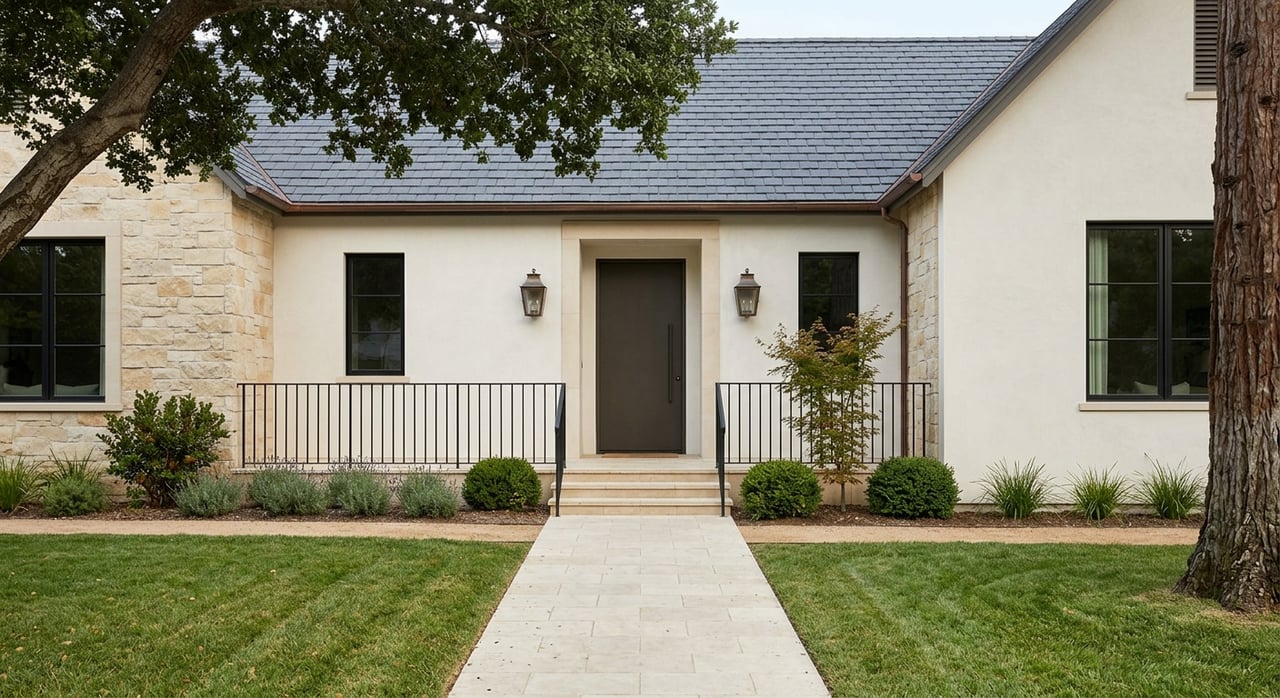
Los Altos In Context: How It Compares To Nearby Cities
April 23, 2026
April 23, 2026
If you are comparing Los Altos to nearby cities, you are probably asking a bigger question: what exactly are you paying for here? That is a smart question, especially in a market where home prices, lot sizes, school district structure, and downtown feel can change quickly from one city to the next. The good news is that the differences between Los Altos, Palo Alto, Mountain View, and Sunnyvale are clear once you look at them side by side. Let’s dive in.
Los Altos stands apart as the highest-priced market in this group. According to Redfin’s March 2026 city-level data, the median sale price was $4.15 million in Los Altos, compared with $3.535 million in Palo Alto, $2.0 million in Mountain View, and $1.772 million in Sunnyvale.
That pricing tells you something important. When buyers choose Los Altos, they are often choosing a premium single-family market with more residential scale, larger lots, and a quieter village-like setting than nearby alternatives.
Palo Alto is the closest high-end comparison. It still sits below Los Altos on price, but it is much closer to Los Altos than Mountain View or Sunnyvale are.
If your budget supports either city, the decision often comes down to lifestyle preferences rather than price alone. Los Altos tends to appeal to buyers who want a more residential setting, while Palo Alto may feel more compelling if you want a more established main-street environment and a simpler district structure.
Mountain View and Sunnyvale offer meaningfully lower entry points. That does not make them interchangeable with Los Altos, but it does make them relevant if you are balancing location, housing type, and overall budget.
For many buyers, these cities become practical alternatives when a larger lot matters less than access, mixed-use convenience, or a wider range of housing choices.
If you want to understand the biggest physical difference between these cities, start with lot size and housing form.
Los Altos housing materials show single-family zoning minimum lot sizes ranging from 20,000 to 40,000 square feet in some areas. The city’s R1-10 subdivision standards also list minimum lots of 10,000 square feet for interior lots, 11,000 square feet for corner lots, and 15,000 square feet for flag lots.
That is the clearest large-lot profile in this group.
Palo Alto’s single-family zoning manual shows more variation. Depending on the subdistrict, minimum lot sizes range from 6,000 to 20,000 square feet, and the city notes that about 80% of zoned R-1 parcels fall between 5,000 and 10,000 square feet.
In practical terms, Palo Alto can still offer larger-lot single-family living, but the city has a broader mix than Los Altos.
Mountain View’s zoning code sets R1 minimum lot areas at 6,000, 7,000, 8,000, and 10,000 square feet depending on the zoning suffix. The city’s Mayfield Precise Plan also describes typical small-lot detached homes on lots between 2,500 and 5,000 square feet.
That points to a more compact residential pattern. Buyers who are open to smaller lots, townhomes, or condos may find Mountain View a more natural fit.
Sunnyvale’s residential zoning standards are the most compact on paper in this comparison. Minimum lot areas include 4,200 square feet in R-1.5, 6,000 square feet in R-0, and 8,000 square feet in several other residential districts.
Sunnyvale also has a small-lot policy for projects on lots of 4,200 square feet or smaller. That supports a more compact housing mix than you typically see in Los Altos.
For many buyers, the school conversation is not just about a city name. It is about how district boundaries and grade structures actually work.
Los Altos School District serves about 3,500 students across seven elementary schools and two junior highs. Its boundaries extend beyond Los Altos into parts of Mountain View and Palo Alto. For high school, students move into the Mountain View-Los Altos Union High School District.
That means Los Altos is typically a two-layer planning process: K through 8, then high school.
Mountain View Whisman School District serves about 4,700 preschool-through-eighth-grade students. Students then move into MVLA for high school.
Like Los Altos, Mountain View usually requires buyers to look at both the K through 8 district and the high school district.
Sunnyvale School District serves about 5,600 students with eight elementary schools and two middle schools. The district uses an address-based boundary system with a school finder, and because it is a TK through 8 district, high school remains a separate planning question.
For buyers, that means a Sunnyvale address may still require an extra layer of research.
Palo Alto Unified School District is the only unified TK through 12 district in this comparison. It serves 10,318 students with 12 elementary schools, three middle schools, and three high schools.
If you value a simpler district story, Palo Alto has the most straightforward structure of these four cities.
Price and lot size matter, but your everyday experience also depends on what the city feels like once you leave the house.
The City of Los Altos describes itself as a community with tree-lined streets, a small village atmosphere, and seven small retail districts. The city’s downtown design approach emphasizes village scale, human scale, and a closely connected set of subdistricts.
That helps explain why Los Altos often feels quieter and more residential than its neighbors.
Mountain View describes downtown as a mixed-use, walkable city center with restaurants, shopping, performing arts, and transit access around Castro Street. The city has also created a pedestrian mall on the 100, 200, and 300 blocks of Castro Street.
If you want an active downtown with a stronger urban edge, Mountain View stands out.
Downtown Sunnyvale covers about 150 acres and includes Murphy Avenue, the Downtown Core, Plaza Del Sol, and Redwood Square. The city also describes Murphy Avenue as a popular dining and entertainment destination and is moving it toward a pedestrian-only format.
That makes Sunnyvale especially relevant if you want a downtown shaped by redevelopment and mixed-use convenience.
Palo Alto highlights University Avenue as its downtown focal point for shopping, dining, and entertainment, with California Avenue serving as another major corridor. City materials describe University Avenue as tree-lined and active, anchored by Lytton Plaza.
For many buyers, Palo Alto offers a blend of urban convenience and established character.
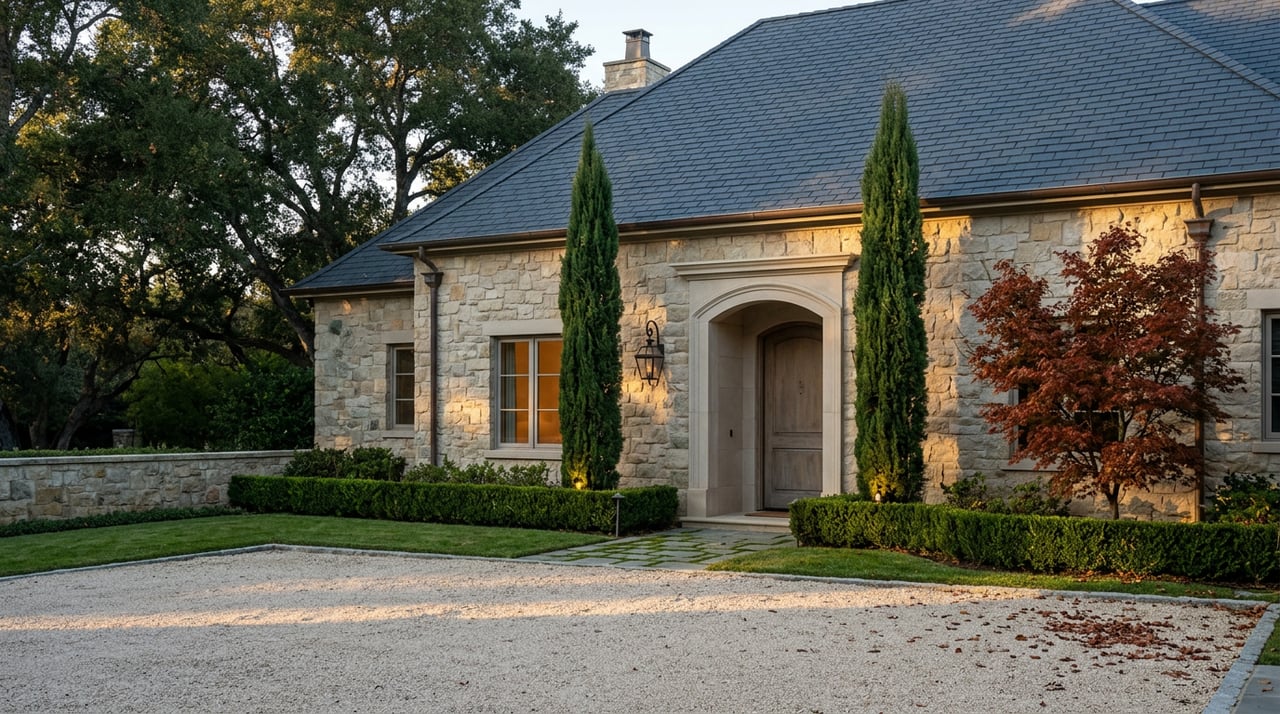
Los Altos is the clearest fit if you want a premium single-family market, larger lots, and a quieter village-style downtown. If your priority is a more detached-home feel and a residential environment, the premium may make sense for you.
This is often where move-up buyers focus when they want long-term space and a calmer setting.
Palo Alto is the closest premium alternative to Los Altos in this group. It may appeal to you if you want a more established main-street environment and a unified TK through 12 district structure.
It still commands a high price point, but the city offers a different balance between residential areas and active commercial corridors.
Mountain View may fit best if you care more about walkability, transit access, and a more compact housing mix. It also offers a lower median sale price than Los Altos and Palo Alto.
That can make it attractive for buyers who want lower-maintenance living without giving up a strong central location.
Sunnyvale offers the lowest median sale price in this comparison and a more compact housing framework. It may make sense if you want a broader range of entry points, mixed-use areas, and a downtown that continues to evolve.
For some buyers and downsizers, that combination creates a more practical path into the market.
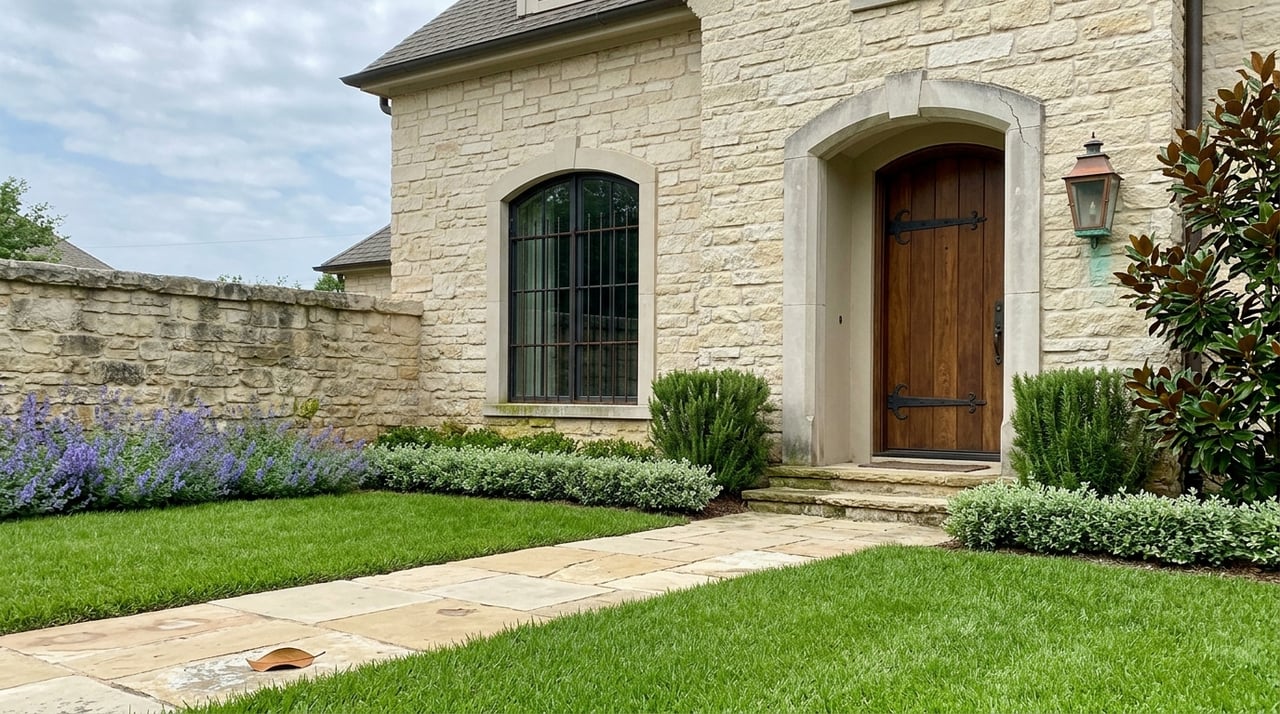
Los Altos does not compete by being the cheapest or the most urban option nearby. It stands out because it offers something different: a premium residential setting with larger lots and a village-style downtown that feels distinct within the mid-Peninsula.
If you are weighing Los Altos against Palo Alto, Mountain View, or Sunnyvale, the right answer usually comes down to how you value space, housing type, district structure, and daily lifestyle. If you want help comparing those tradeoffs in a way that fits your move, connect with David Kim Group to schedule a consultation.

Market Update
Partner with our dynamic team to unlock the full potential of your real estate endeavors in Silicon Valley. With our tailored approach and in-depth market knowledge, we'll ensure a seamless and extraordinary client experience.
Connect With Our Team to Learn More

19900 Stevens Creek Blvd, #100 Cupertino, CA 95014 David Kim | CA DRE# 01527235 Keller Williams Thrive | CA DRE# 02177478