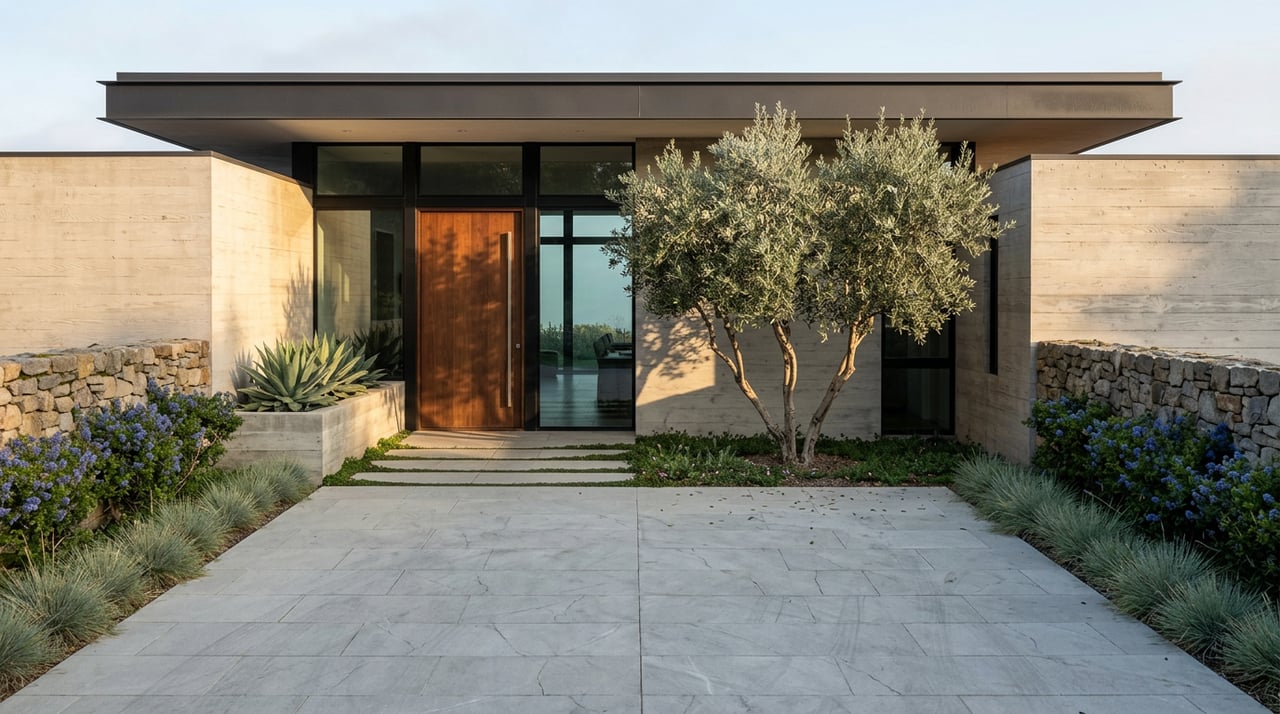
Is your Menlo Park home truly ready for the buyers scrolling through listings tonight? In a fast, high-price market, small preparation choices can mean the difference between a quick, top-tier offer and weeks of chasing momentum. You want a smooth sale, minimal surprises, and a presentation that stands out online. In this guide, you’ll learn what today’s Menlo Park buyers value, the smartest prep steps to take, and an 8-week plan that keeps your life organized and your listing competitive. Let’s dive in.
What today’s buyers want in Menlo Park
Menlo Park attracts well-funded buyers from technology, venture capital, and life sciences who value convenience, modern systems, and tasteful design. Many expect homes to feel move-in ready and to support flexible work with a dedicated office or a quiet, convertible space. Outdoor living and curb appeal matter, especially when your online photos are the first showing.
Across the West, buyers respond to energy efficiency and practical updates that lower ownership friction. Features like a minor kitchen refresh, updated bathrooms, and strong exterior first impressions reliably punch above their cost. National Cost vs. Value research shows that small exterior projects and a well-executed minor kitchen remodel tend to deliver the most reliable resale return. You can explore current benchmarks in the latest Cost vs. Value report.
Presentation sets the tone
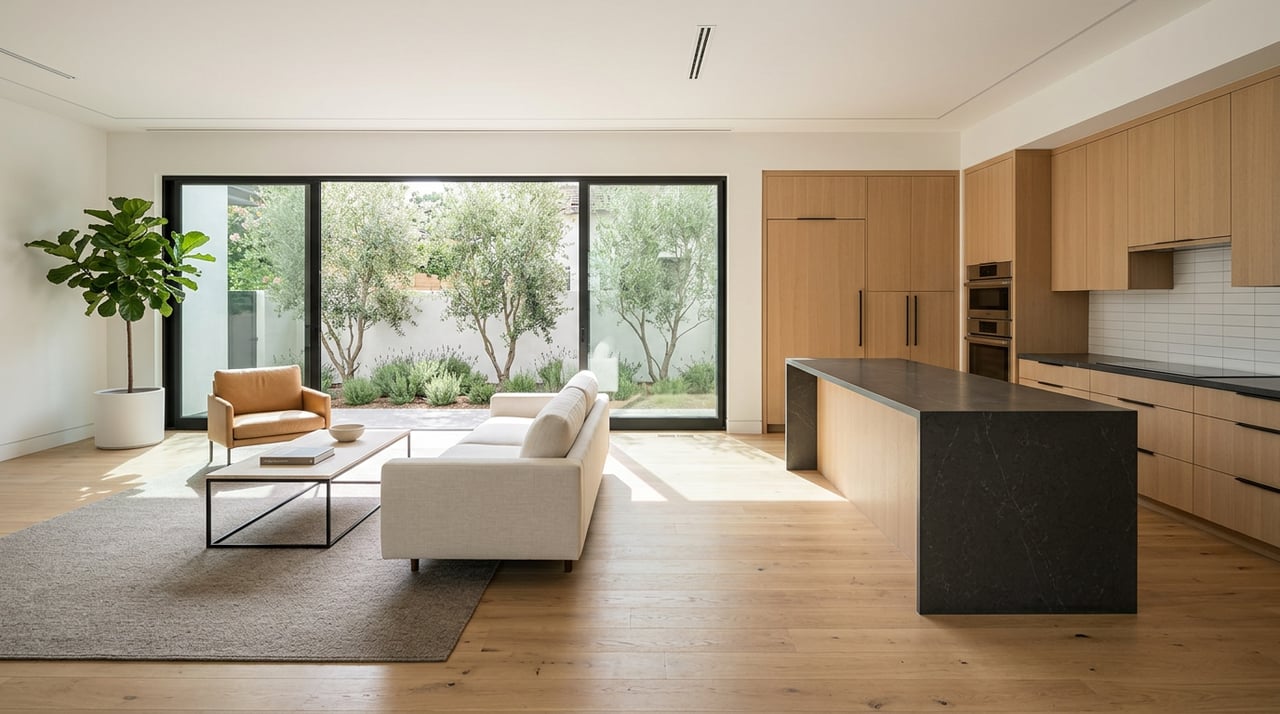
Your listing is judged first by photos. Staging the living room, kitchen, and primary bedroom helps buyers visualize scale, flow, and lifestyle. According to NAR’s home staging research, staging often shortens time on market and can increase final offers by meaningful margins. Add professional photography and a clean, neutral interior for a polished presentation that earns more clicks and showings.
A proven 8-week prep plan
This workflow prioritizes inspection and paperwork early, then concentrates high-impact cosmetic work, followed by staging and a clean marketing launch.
Week 0: Plan and gather documents
- Meet with your listing agent for a pricing strategy and a repair priority list based on local comps.
- Build a single digital folder with permits, service records, appliance warranties, and any prior inspection reports.
- Decide with your agent whether to order a pre-listing inspection. A short pre-inspection plus a clear disclosure packet reduces late-stage renegotiation risk and keeps your sale on schedule.
Weeks 1–3: Pre-inspection and targeted fixes
- Order a seller-paid inspection. Add a sewer scope and termite inspection if recommended. Early discovery lets you resolve issues on your timeline, not the buyer’s.
- Prioritize safety and lender-sensitive items first. Examples include major electrical hazards, active leaks, roof concerns, or structural red flags.
- Tackle visible maintenance that will show in photos, such as dripping faucets, missing caulk, and stained grout.
In parallel: Permits and Menlo Park logistics
- Confirm permits for recent work and discuss retro-permit options for unpermitted items. Start this early to avoid delays.
- Menlo Park’s Building Division outlines permit requirements for items like panel upgrades, HVAC, roofing, ADUs, and solar. Review the city’s Building Division resources and plan timing with your contractor.
- If your home includes solar or you are considering an install, note that Menlo Park offers a Photovoltaic Real Time permit path for licensed contractors.
Weeks 2–6: High-impact cosmetics and systems
- Paint in a light, neutral palette for clean, bright photos.
- Refresh lighting and hardware. Replacing dated fixtures and cabinet pulls gives a modern feel at a modest cost.
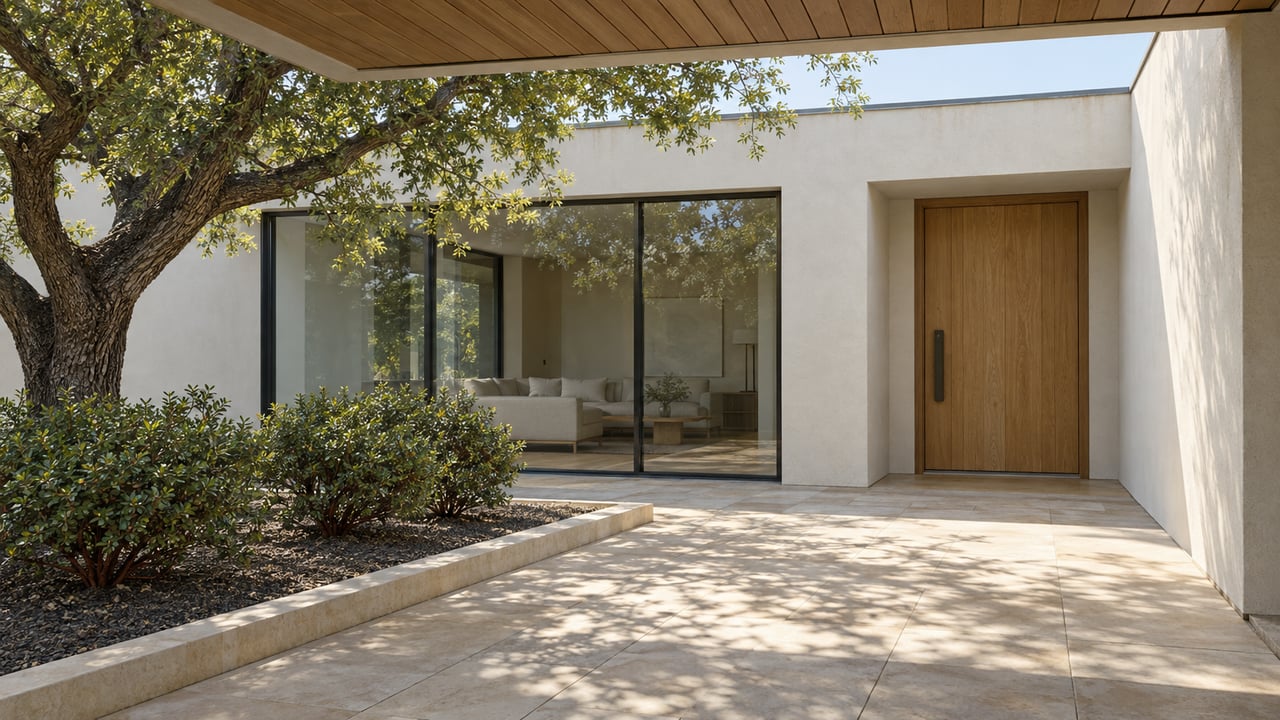
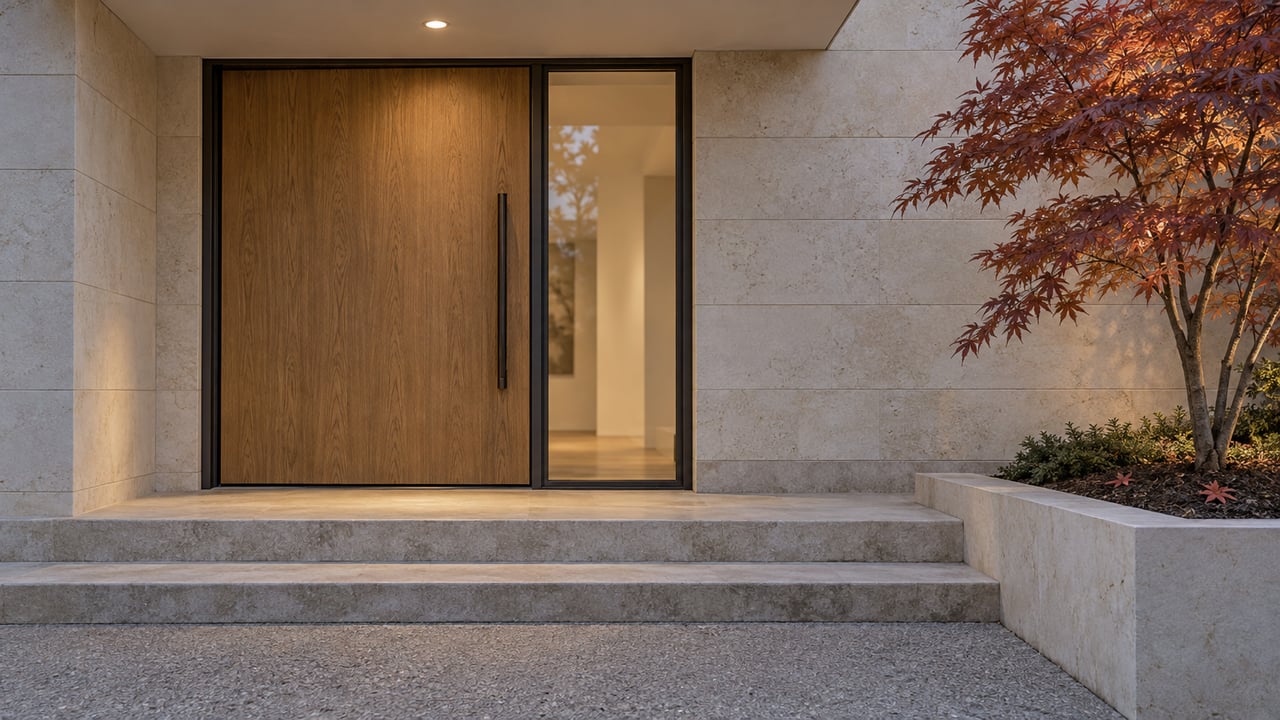
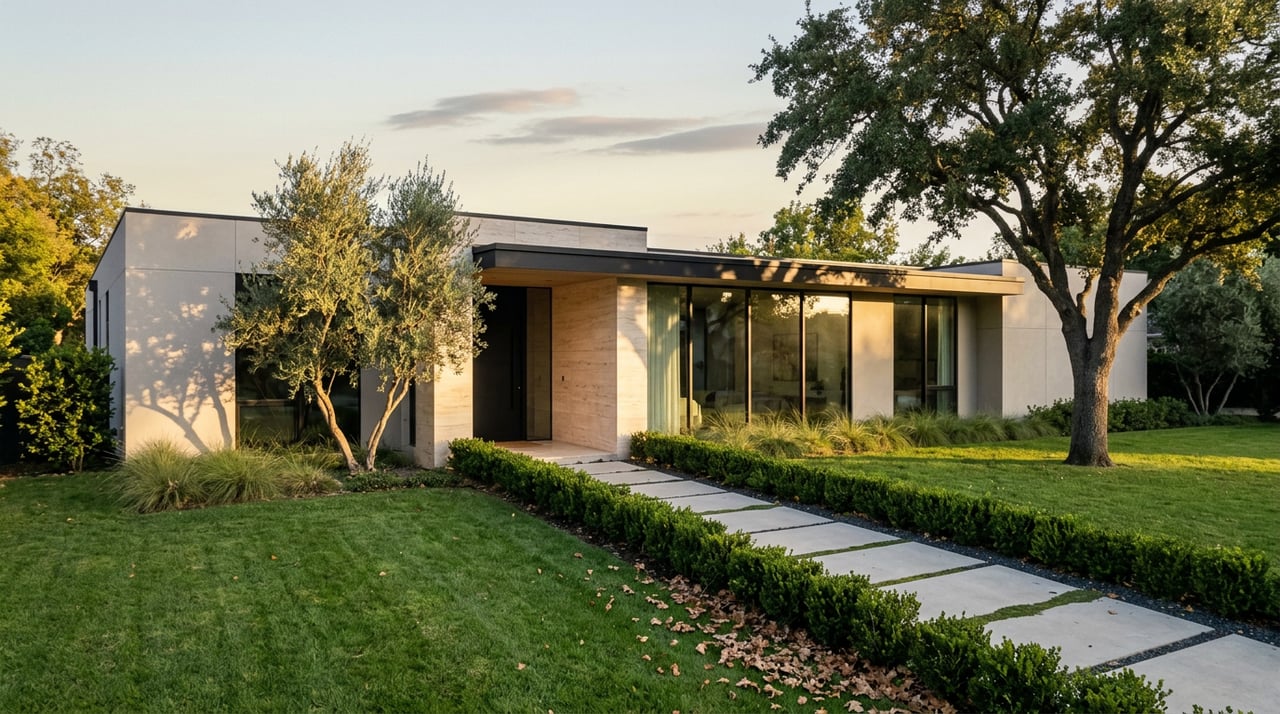
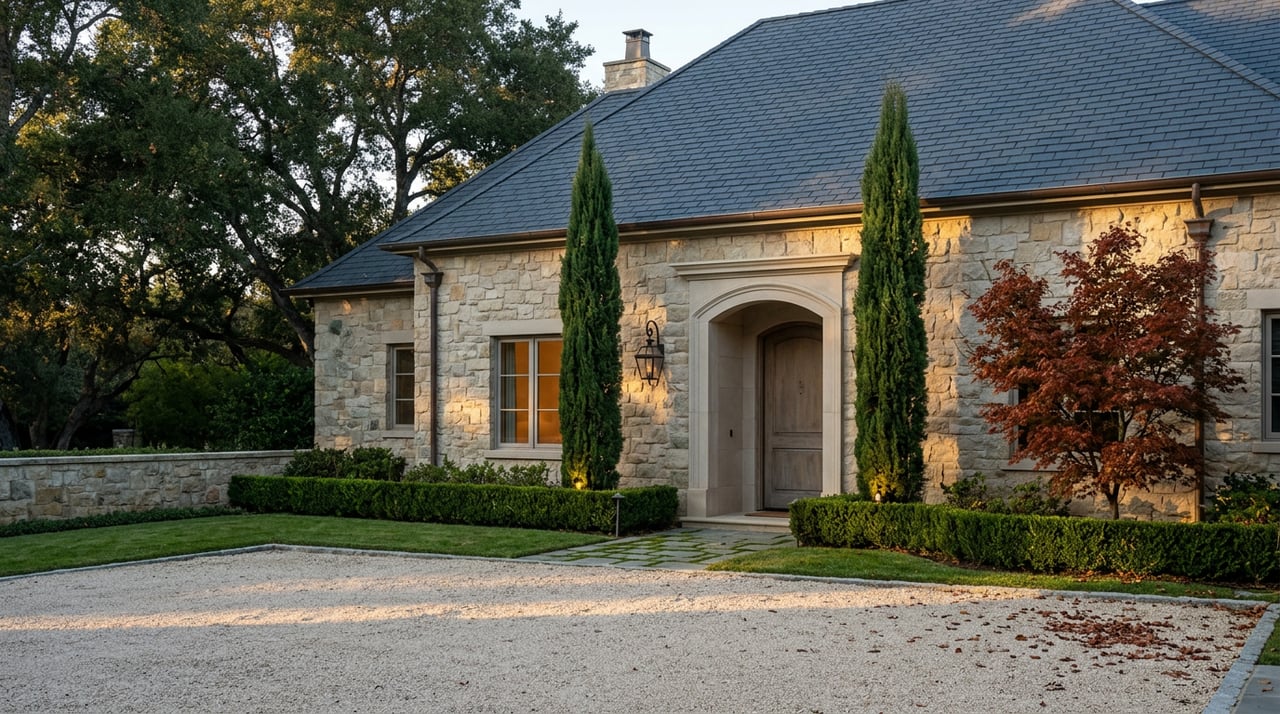
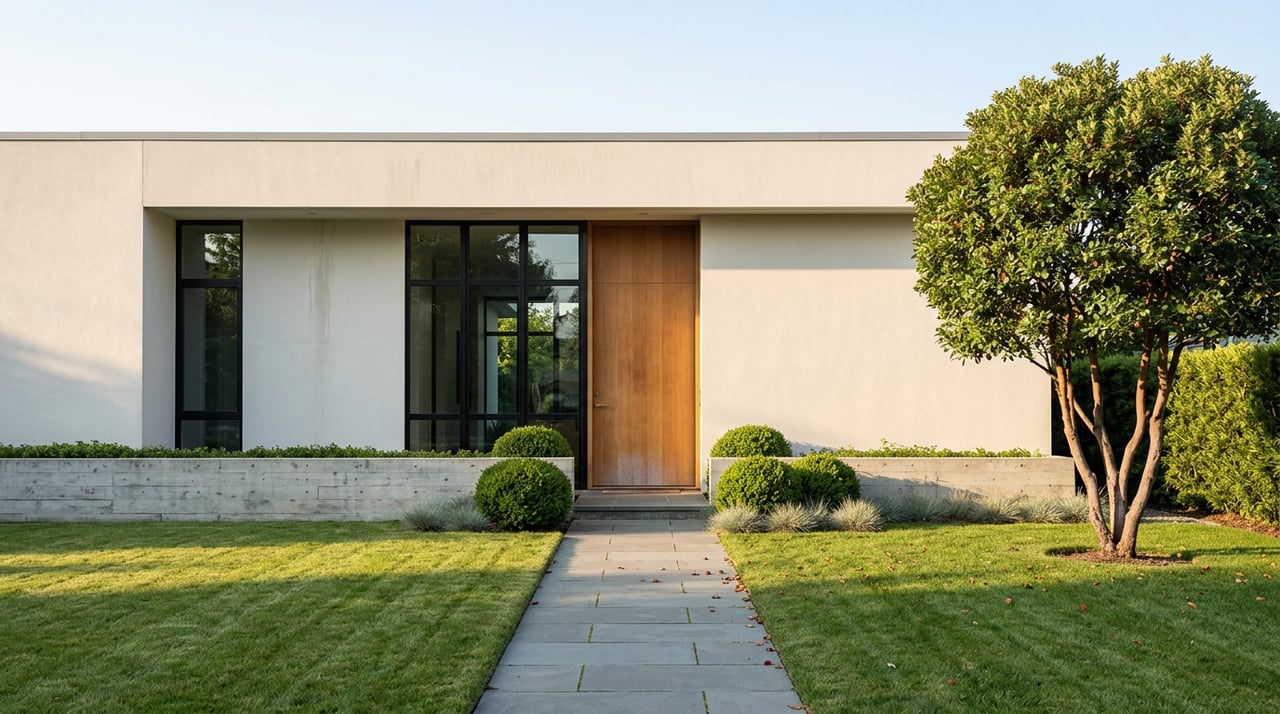
- Focus on curb appeal. A crisp front door or garage door, trimmed landscaping, fresh mulch, and pressure-washed paths elevate first impressions. Cost vs. Value data consistently ranks entry and garage door upgrades among top recouping projects.
- Consider a minor kitchen refresh. New counters, a sleek faucet, updated lighting, and hardware can transform the space without changing the layout. See current resale benchmarks in Zonda’s Cost vs. Value report.
- Confirm major systems are in expected condition. For this market, a well-maintained roof, electrical panel, heating and cooling, and water heater reduce buyer concerns. An EV charger can be a simple, appealing add for a Silicon Valley audience. Buyer studies show growing interest in efficient, tech-friendly home features. See preferences research in this overview.
Week 6: Staging and professional media
- Stage the living room, primary bedroom, and kitchen at a minimum. NAR’s data indicates staged homes typically sell faster and can command stronger offers. Review highlights in NAR’s staging snapshot.
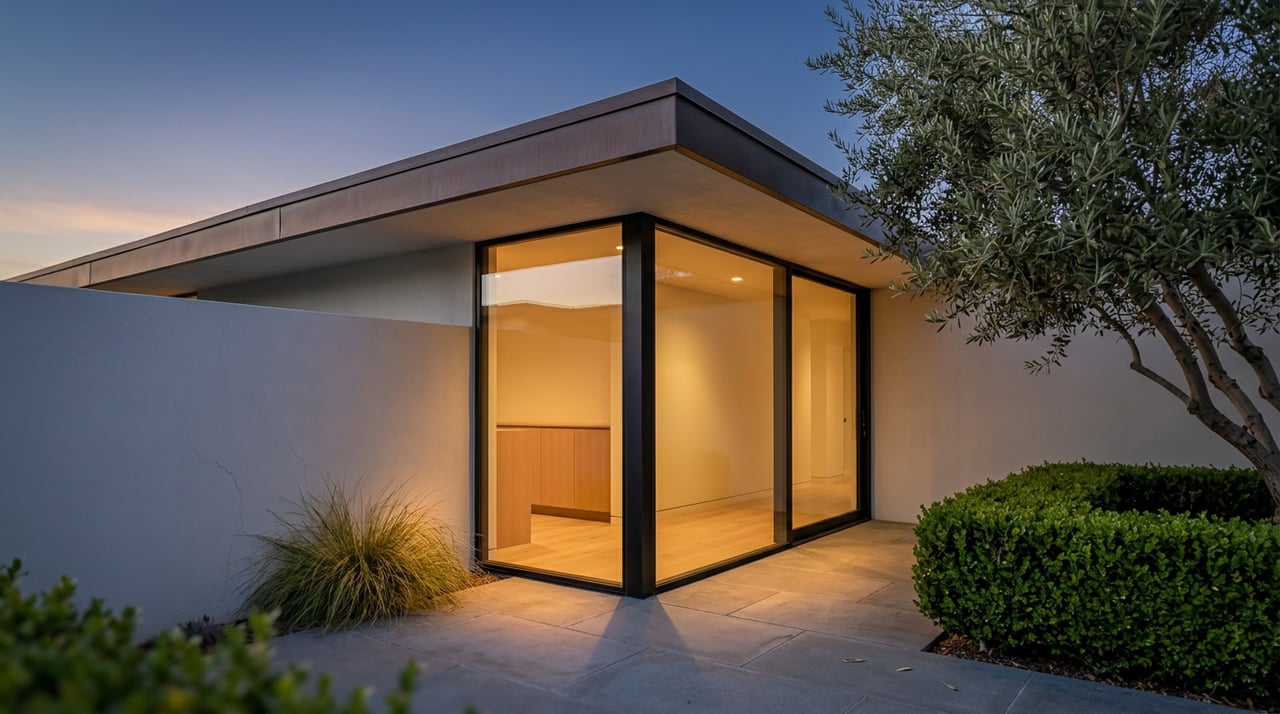
- Schedule professional photography after staging and a deep clean. Add twilight exteriors, drone, and a 3D tour for standout online presentation.
Week 7: Launch and feedback loop
- List on the MLS, distribute to portals, and monitor showing feedback during the first 7 to 10 days.
- If you completed a pre-inspection, share the report in your disclosure packet to boost transparency and reduce contingency-related churn.
- Discuss offer strategy with your agent. Decide on contingencies, verification requirements, and an offer review plan.
Upgrade priorities by price band
Pricing in Menlo Park often sits in the multi-million range. Calibrate your prep to the expectations of nearby comps and your target buyer pool.
Condo and entry price points (roughly under $1.5M)
- Focus on a spotless, neutral interior and professional staging of key rooms.
- Maximize storage with simple closet systems and tidy garage solutions.
- Invest in high-quality photos and a compelling floor plan or 3D tour.
Mid-market single-family homes (about $1.5M to $3.5M)
- Prioritize a minor kitchen refresh, updated primary bath touches, and new lighting.
- Refinish or replace worn flooring and repaint walls for a cohesive look.
- Boost curb appeal with landscape tune-ups and a standout front or garage door. Exterior improvements frequently deliver top ROI according to Cost vs. Value.
Upper market and luxury (above $3.5M)
- Elevate outdoor living with defined seating, lighting, and thoughtful landscape design.
- Bring finishes in line with luxury expectations: hardware quality, slab counters, refined tile, and cohesive fixtures.
- Level up media with architecture-grade photography, drone, and editorial video. Ensure mechanical systems and whole-home tech align with premium buyer expectations.
Sample budgets to set expectations
Actual costs vary with scope, size, and Bay Area labor. Use these ranges to frame your planning.
- Quick prep: Declutter, deep clean, interior paint, professional photos. Approximate range: $3,000 to $10,000.
- High-impact midrange: The above plus a targeted kitchen refresh and staging of key rooms. Approximate range: $15,000 to $50,000.
- Extensive prep for luxury: Full staging, landscape enhancements, premium media, and selective high-end finishes. Approximate range: $50,000 and up.
For resale ROI guidance, small exterior upgrades and a minor kitchen refresh consistently score well in the latest Cost vs. Value report. Always compare to recent neighborhood comps before expanding scope.
Disclosures and permits: what to prepare
California requires specific seller disclosures for 1 to 4 unit residential properties. Expect the Transfer Disclosure Statement and other statutory forms such as the Natural Hazard Disclosure and the Seller Property Questionnaire. You can browse standard form titles and resources via the California Association of Realtors’ forms list. You must disclose known material facts and known unpermitted work.
Practical tips for a smooth file:
- Gather permit records, invoices, and warranties into one digital folder.
- Disclose any unpermitted work and discuss retro-permit options with the city where feasible.
- Keep copies of repairs completed during prep and share contractor warranties with buyers.
- When questions arise about complex title items or unresolved permit issues, speak with your agent and a qualified real estate attorney.
For local permit guidance and timelines, review Menlo Park’s Building Division pages. Starting early helps you avoid last-minute escrow delays.
Presentation that wins online
Buyers make fast decisions when scrolling. To capture attention and convert clicks to showings, keep your listing clean, consistent, and visually strong.
- Stage the rooms that sell the story first: living room, kitchen, and primary suite. NAR’s research on staging impact is summarized in this snapshot.
- Use professional photography, twilight exteriors, and a simple, accurate floor plan or 3D tour.
- Lead with bright, wide shots in the photo order. Keep personal items off counters and walls for a model-home feel.
Make it easy on yourself
You are busy. A disciplined process and the right resources will simplify everything and protect your calendar. With the right partner, you can compress decisions, line up trusted trades, and launch with confidence.
At the David Kim Group, we combine local pricing expertise with corporate-grade marketing and Compass platform tools to deliver predictable, premium outcomes. We guide your prep scope, coordinate staging and media, and leverage Compass Concierge to help fund high-impact improvements that elevate your net. For sellers who value privacy or a measured rollout, Compass Private Exclusives can introduce your home to qualified buyers before going fully public. If you want a plan that puts you in control and minimizes friction, we are ready to help.
FAQs
How much does it cost to prepare a Menlo Park home for sale?
- Many homes do well with $3,000 to $10,000 for cleaning, paint, and photos. A midrange plan with a minor kitchen refresh and staging can run $15,000 to $50,000, while luxury prep can exceed $50,000 depending on scope.
Do I need a pre-listing inspection in California?
- You are not required to order one, but a seller-paid inspection can surface issues early and reduce late-stage negotiation risk. It also supports transparent disclosures and helps prioritize repairs before you go live.
Which permits matter most when selling in Menlo Park?
- Items like electrical panel upgrades, HVAC, roofing, solar, structural changes, and ADUs commonly require permits. Review Menlo Park’s Building Division guidance and address open permits or retro-permits early.
What improvements deliver the best resale ROI locally?
- Data consistently highlights small exterior upgrades, especially front or garage doors, and a well-executed minor kitchen refresh as strong performers. See national benchmarks in the latest Cost vs. Value report, then compare to nearby comps.
Should I stage my home if Menlo Park is a strong market?
- Yes. Even in competitive markets, staging helps listings photograph better and can shorten time on market. NAR’s research shows staging influences buyer perception and offer strength.
Is it worth adding an EV charger or solar before selling?
- An EV charger is a relatively low-cost upgrade that aligns with local buyer preferences. Solar can add appeal if it fits your home and budget, but review Menlo Park’s permitting and consult your agent on resale impact before proceeding.