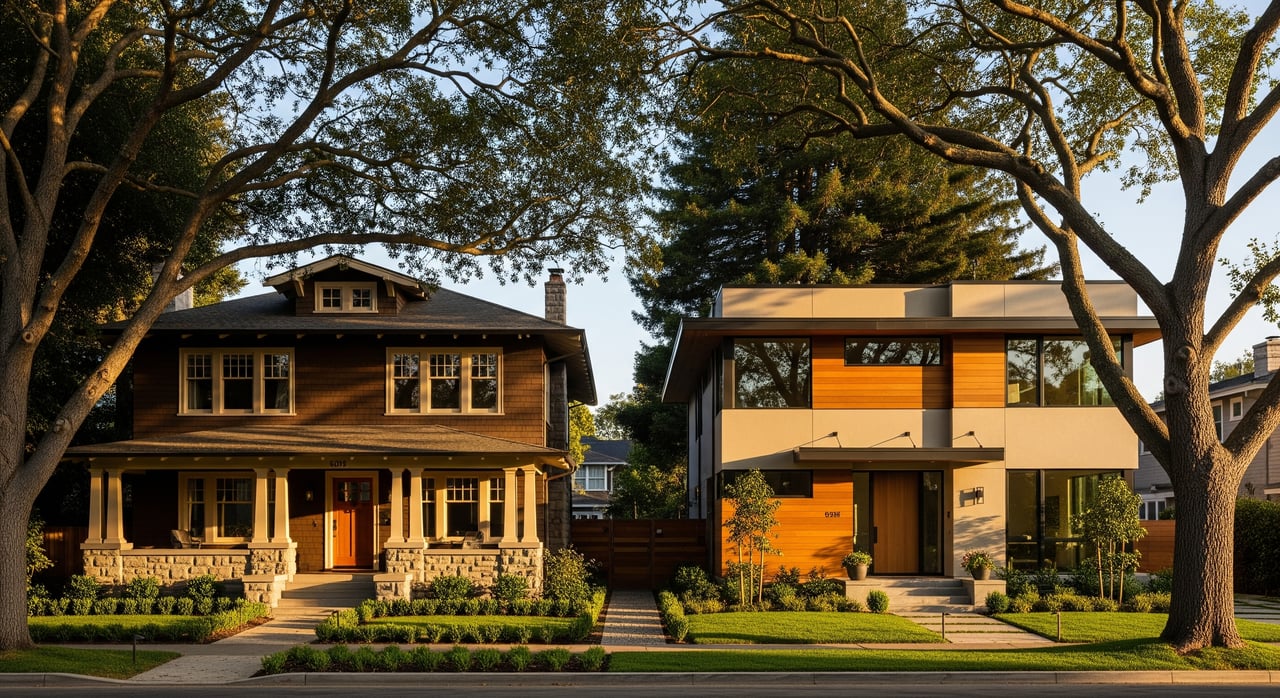
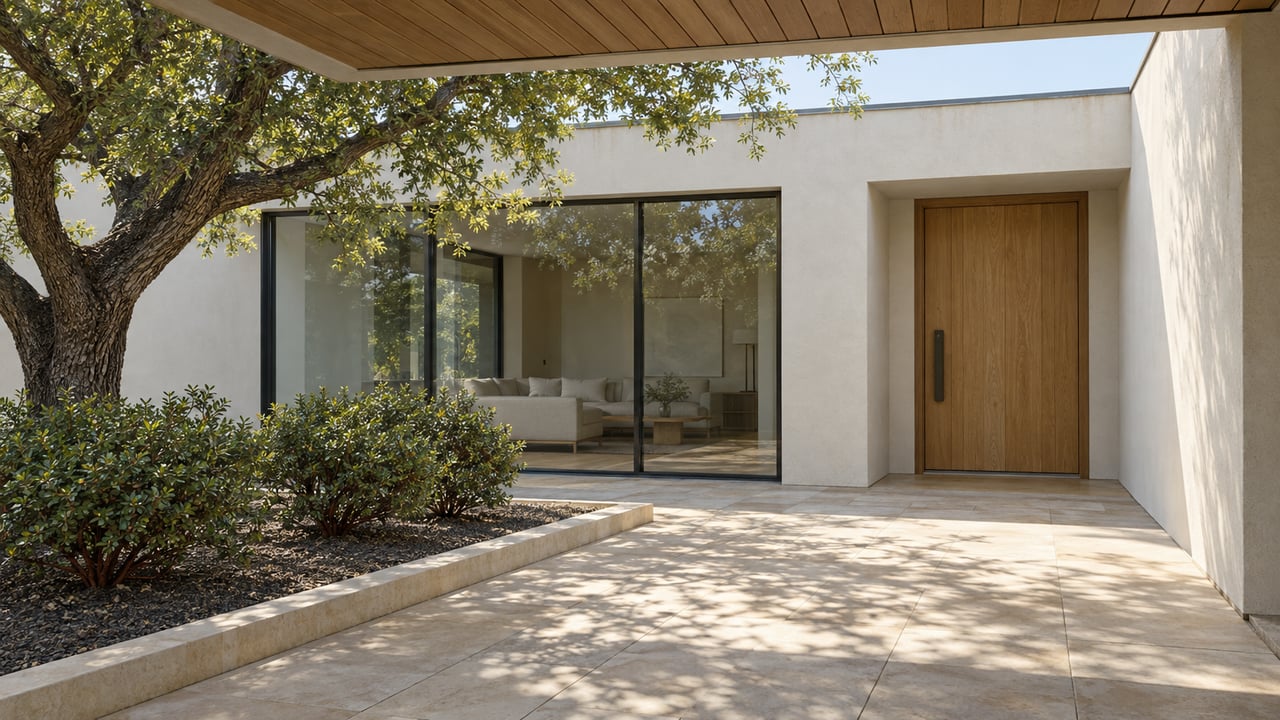
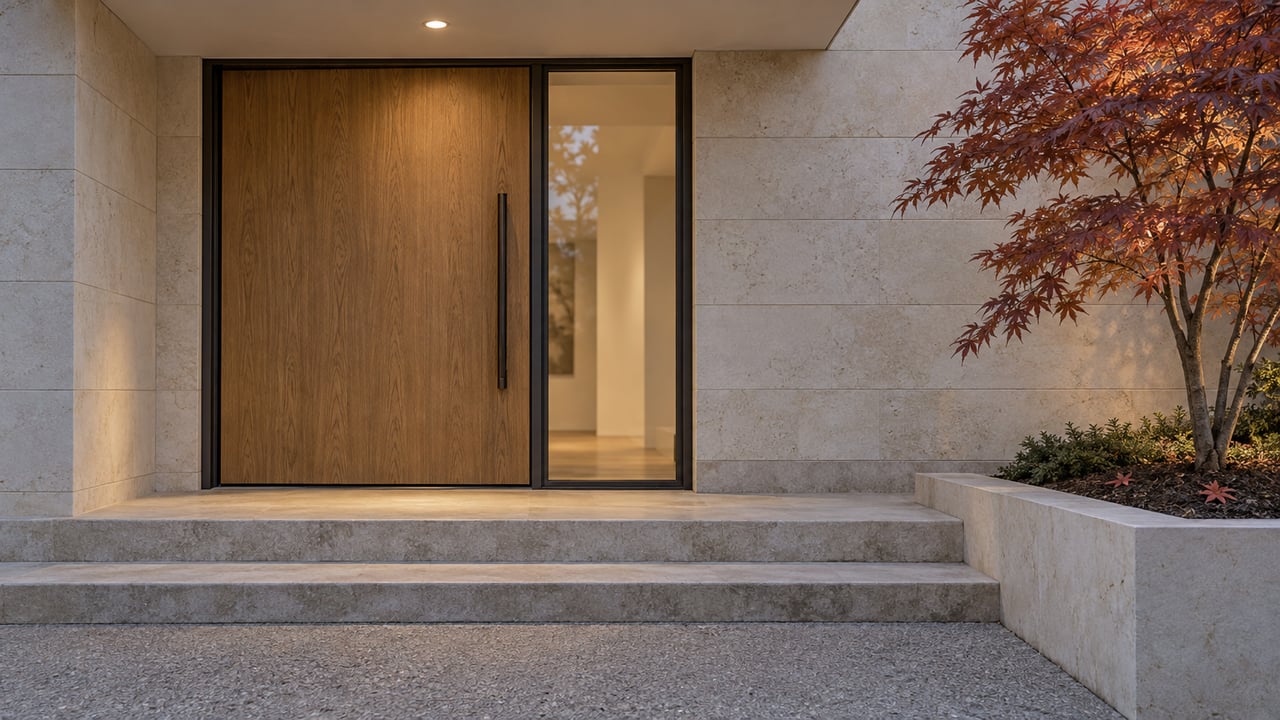
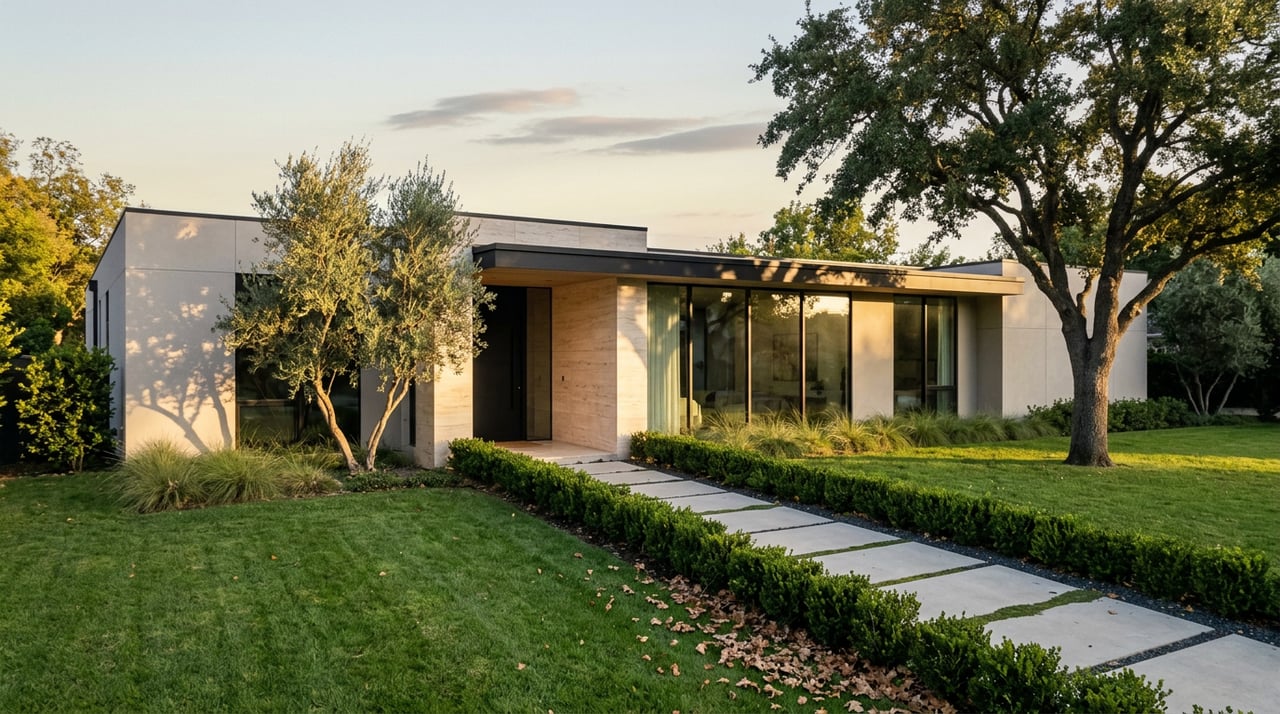
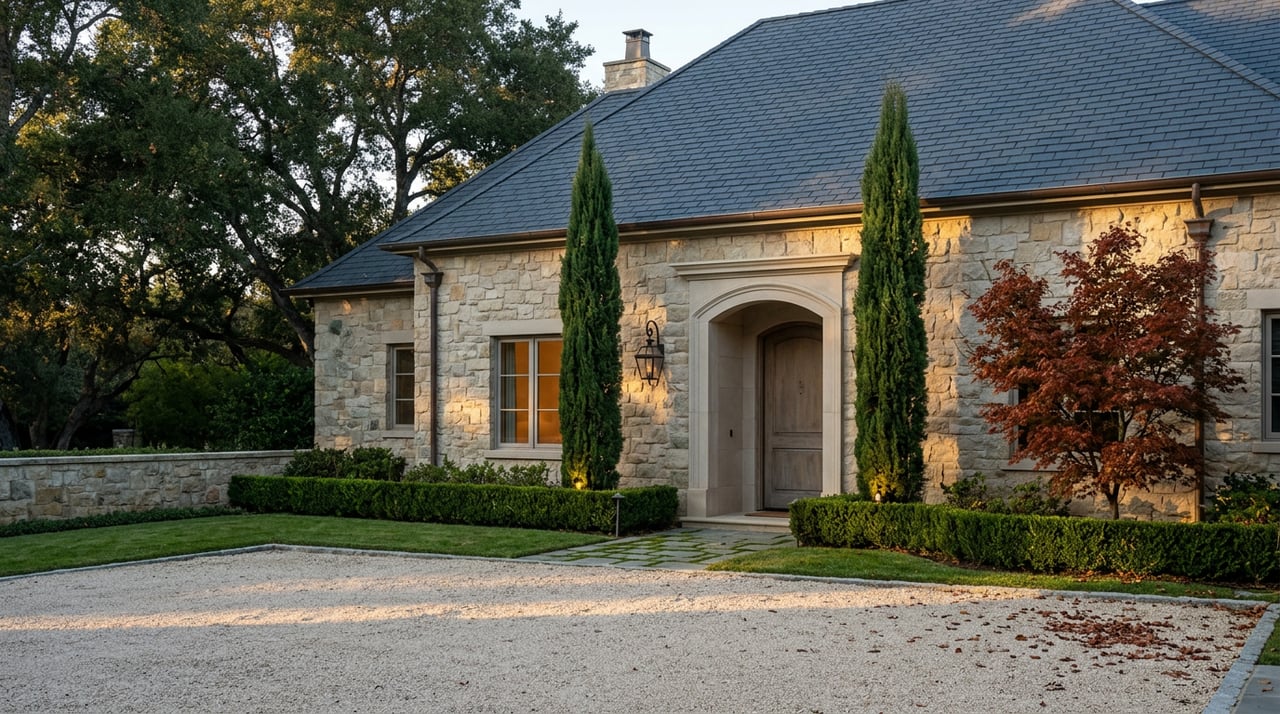
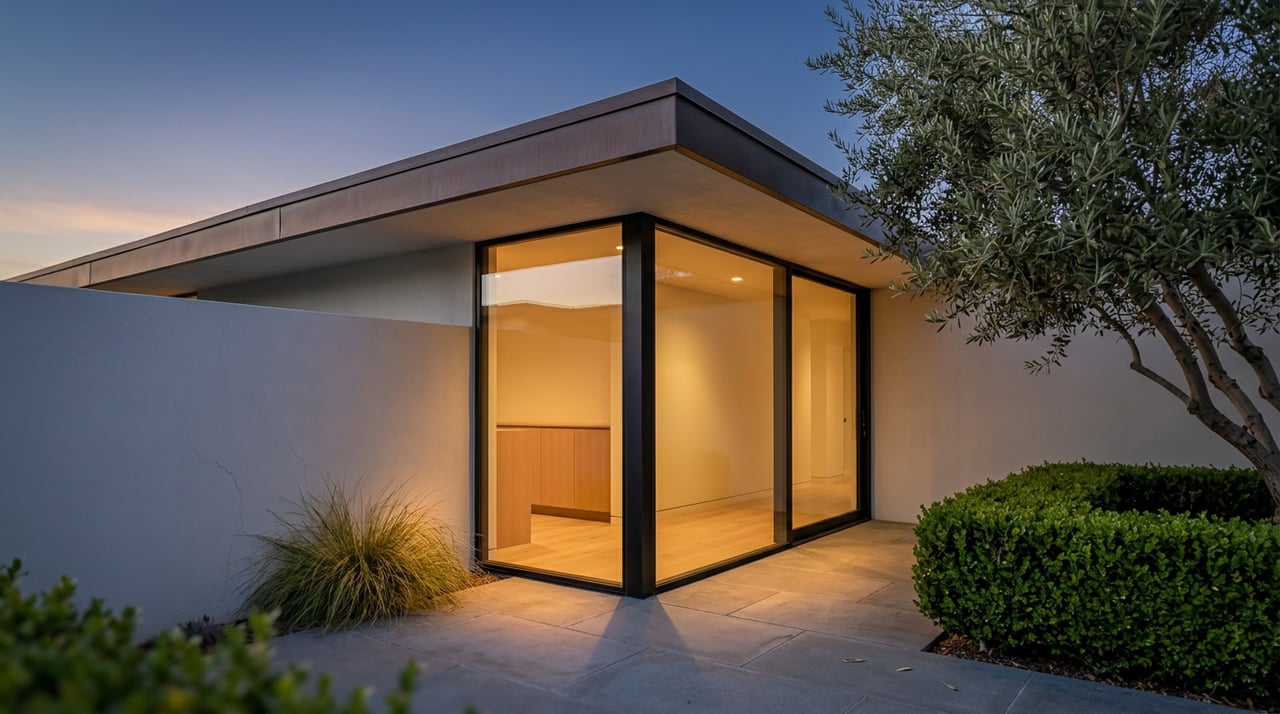
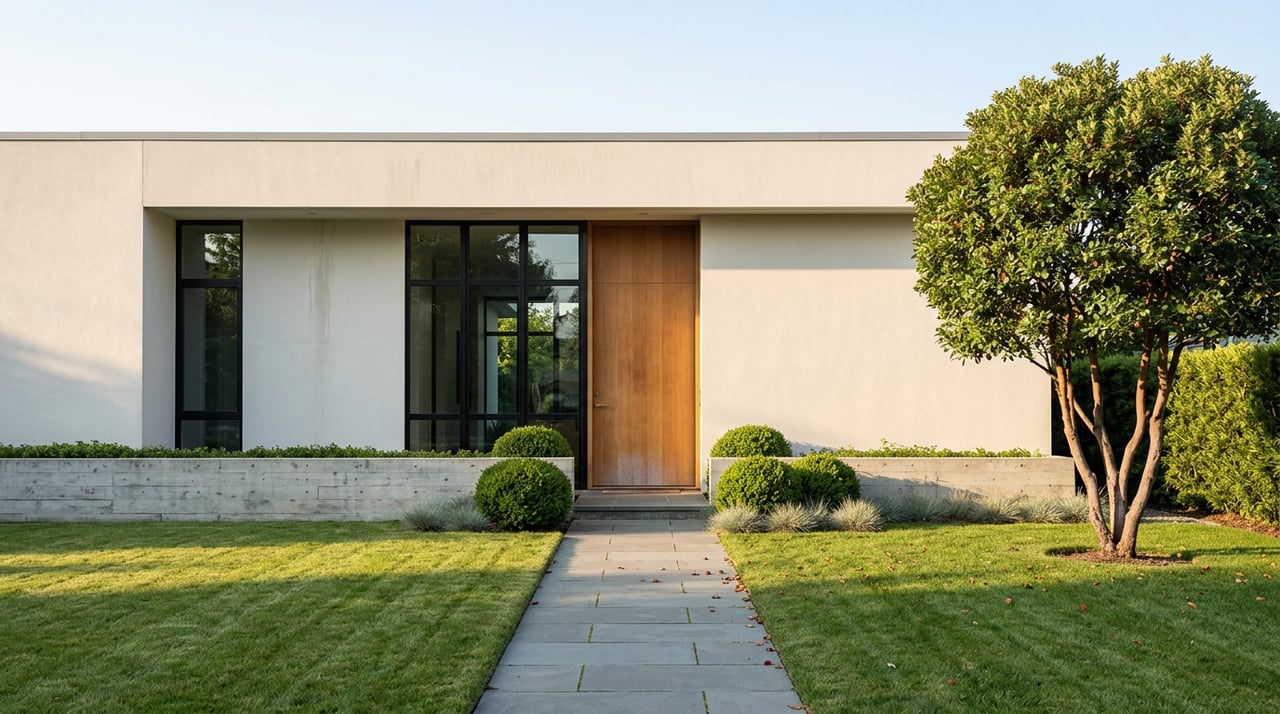
Torn between the clean lines of new construction and the charm of a classic Menlo Park home? You are not alone. Many buyers here weigh convenience, efficiency, and warranties against character, location, and potential. In this guide, you will learn how new and historic homes differ in systems, safety, energy performance, inspections, and long-term costs so you can buy with confidence. Let’s dive in.
New vs historic: quick comparison
Newer homes typically offer:
- Modern structural design, MEP systems, and code-compliant safety features.
- Higher baseline energy efficiency, often with solar and EV-ready wiring.
- Lower short-term maintenance and potential builder warranties.
- Open layouts, en-suite bathrooms, larger closets, and integrated garages.
Historic and older homes often provide:
- Distinct architectural character, mature landscaping, and established streetscapes.
- Craftsmanship details like millwork and built-ins that are hard to replicate.
- Prime locations near downtown, parks, schools, and transit.
- Opportunity to add value through thoughtful renovation or expansion.
Ownership trade-offs to plan for:
- Price vs ongoing costs: new homes command premiums but can reduce near-term repairs; older homes may have lower entry price with higher upgrade budgets.
- Lifestyle vs maintenance: character often comes with more hands-on upkeep.
- Regulations and retrofits: seismic and permitting needs can be greater for older properties.
Building systems and lifespans
Upfront due diligence helps you compare apples to apples and budget smartly.
Roof
- Composition shingles often last 15 to 30 years. Tile and metal can go longer.
- On older homes, confirm remaining life, ventilation, and whether multiple layers exist.
- If near end of life, request estimates and factor in sub-deck repairs.
Electrical
- Watch for knob-and-tube, ungrounded outlets, or aluminum branch circuits in older homes.
- Many buyers upgrade to 200A service to support modern appliances and EV charging.
- Ask for panel age, permit history, and records of any rewiring.
Plumbing
- Older supply lines may be galvanized steel; drains may be cast iron or clay.
- Tank water heaters typically last 8 to 15 years; tankless can last longer with maintenance.
- A sewer-scope is smart on older homes to assess root intrusion or pipe failure.
HVAC
- Furnaces and air handlers often last 15 to 25 years; AC units 12 to 20 years.
- Some older homes lack central cooling or have leaky ductwork. Plan for a retrofit if comfort is a priority.
- If considering electrification, evaluate heat pump options and electrical capacity.
Foundations and crawlspaces
- Common older-home flags include unbolted foundations, weak cripple walls, and moisture or termite damage.
- If there are signs of movement, consult a structural engineer and obtain bids early.
- Crawlspace access is essential for thorough inspections.
Windows and insulation
- Single-pane windows and minimal insulation are common in historic homes.
- Upgrading attic and wall insulation and installing efficient windows can improve comfort and reduce bills.
- Newer homes typically include double or triple glazing and tighter building envelopes.
Warranties
- Many new builds include staged warranties, such as 1-year workmanship, 2-year systems, and 10-year structural. Verify documents during escrow.
- Older homes do not have builder warranties, so inspection quality and disclosure review matter even more.
Seismic safety and retrofits in Menlo Park
Menlo Park sits in a high seismic region. Parcel-level risk can vary based on soil conditions and potential liquefaction zones. Use the California Geological Survey’s interactive tool to review local hazards on the Earthquake Hazard Zone Application.
Typical retrofits for older homes
- Foundation bolting and cripple-wall bracing on raised foundations.
- Soft-story reinforcement at large openings or tuck-under garages.
- Chimney bracing or removal and water heater seismic strapping.
- Costs range widely based on scope, from modest bracing to substantial structural work.
Permits, insurance, and timelines
- Structural retrofits usually require permits, plans, and licensed contractors. Start with the city and county for current requirements. Review the city’s planning pages and connect with staff, then verify county-wide rules through San Mateo County Planning & Building.
- FEMA provides homeowner-friendly retrofit guidance to help you understand methods and scope. See FEMA’s earthquake resources for an overview of options and best practices via FEMA’s earthquake risk management page.
- Earthquake insurance is optional but common. Coverage, deductibles, and premiums vary. Learn more from the California Earthquake Authority.
Energy efficiency and electrification
California’s Title 24 building energy standards have steadily raised efficiency baselines and added solar and EV-readiness requirements for many new homes. For the latest framework, see the California Energy Commission’s Building Energy Efficiency Standards.
What this means for you
- Newer homes often include higher-efficiency HVAC, better insulation, and double or triple glazing. Many are solar or EV-ready.
- Older homes can catch up through insulation, air sealing, heat pump HVAC and water heating, and efficient windows.
- Considering a renovation or just want a performance snapshot? A whole-house energy audit with blower-door testing can clarify priorities. The U.S. Department of Energy explains the process in its guide to home energy audits.
Incentives and rebates
- State and utility incentives change regularly for heat pumps, EV chargers, and solar. Check current offerings through your utility before you plan scope or timing.
- When electrifying, coordinate panel upgrades and EV-ready wiring early so you avoid rework later.
Resale appeal and market expectations
Menlo Park buyers pay close attention to location, lot usability, proximity to major job centers, and overall condition. Many want turnkey homes with modern finishes, while others seek historic charm and the ability to customize.
- Newer construction can earn a premium for convenience, energy features, and low-maintenance systems.
- Older homes in prime locations perform well when major upgrades are completed and documented.
- Transactions on older homes often involve more negotiation around inspections and repairs; new builds may focus on punch lists and warranty terms.
What to inspect and ask
Target your due diligence to the home’s era and condition.
For older or historic homes
- Inspections: general home, sewer scope, roof, termite/wood-destroying organisms, electrical, HVAC, chimney, and foundation. Consider structural engineer input if needed.
- Testing: lead, asbestos, and mold if the era suggests possible presence, especially before renovations.
- Documents: permits and receipts for seismic work, roof, electrical, plumbing, and any additions.
For newer construction
- Inspections: independent home inspection plus a careful builder-warranty review and punch list walk.
- Verification: permits and finals for recent additions or alterations.
- Solar: obtain production estimates and system documentation if applicable.
Questions to ask the seller
- Ages and records for roof, HVAC, water heater, electrical panel, and sewer lateral.
- Seismic retrofit details and permits, plus any foundation work or engineer reports.
- History of water intrusion, termites, or mold and how it was addressed.
- Utility bills for the past 12 months and solar production data if present.
- Any transferable warranties or service contracts.
- Any local hazards or assessments relevant to the property.
Budgeting for upgrades
Create a phased plan that matches your goals and timeline.
- Short term, years 1 to 3: potential roof tune-ups or replacement, water heater, HVAC service or replacement.
- Medium term, years 3 to 10: panel upgrades, window replacement, insulation, and kitchen or bath updates.
- Structural and seismic: foundation bolting, shear walls, or underpinning where needed. Obtain multiple bids early.
- Energy and electrification: heat pumps, EV charging, and possibly solar. Check utility and state incentives first to optimize timing.
Which buyer are you?
- Move-in-now buyer: prioritize newer or fully renovated homes with lower near-term maintenance and strong energy features.
- Character and renovation buyer: focus on location and bones, then plan for upgrades and permits. Build realistic budgets and timelines.
- Risk-averse family: emphasize safety, seismic work, reliable systems, and thorough inspections.
- Investor or builder: evaluate zoning, FAR, and ADU or addition potential early in the process.
Next steps
Choosing between new and historic in Menlo Park comes down to how you want to live, what you want to manage, and where you see value growth. Align your choice with your comfort on maintenance, your appetite for upgrades, and your timeline. Start with targeted inspections, gather permits and utility data, and map a phased plan for improvements.
If you want a local, organized process from search to close, connect with the David Kim Group. We will help you weigh trade-offs, assemble the right inspectors and contractors, and position you to make a confident offer.
FAQs
What are the most common issues in older Menlo Park homes?
- Expect potential electrical upgrades, single-pane windows, aging roofs, sewer lateral concerns, and the need for seismic retrofits like foundation bolting and cripple-wall bracing.
Do I still need an inspection for a new construction home?
- Yes. Even new homes can have defects. Schedule an independent inspection, review builder warranties, and complete a detailed punch list before closing.
How do I check seismic risk for a specific property?
- Review parcel hazards using the California Geological Survey’s Earthquake Hazard Zone Application and consult local building officials and a structural engineer for site-specific guidance.
What energy upgrades offer the best value in older homes?
- Start with air sealing and insulation, then consider heat pump HVAC or water heating and efficient windows. A home energy audit helps prioritize.
Do seismic retrofits reduce insurance costs?
Where do I confirm permit requirements for retrofits?
- Contact local planning and building departments, starting with city staff and verifying county rules via San Mateo County Planning & Building; permits and plan review are typically required for structural work.